
Conscious Consumption
elevating our diet with awareness and advocating for food justice


Read the previous newsletter about Kemetic Food History to explore the ancient origins of food. From fruit and bread to fish and honey, join me on an adventure into our edible roots.
This autumn season, I’m reflecting on the importance of being a conscious consumer. I’ve learned from land stewards, activists, scholars and wisdom keepers while devoting energy toward the sacred work of developing sovereign food systems. I’d like to share some notes with you and inspire more awareness about how the food we eat impacts our mind, body and world.
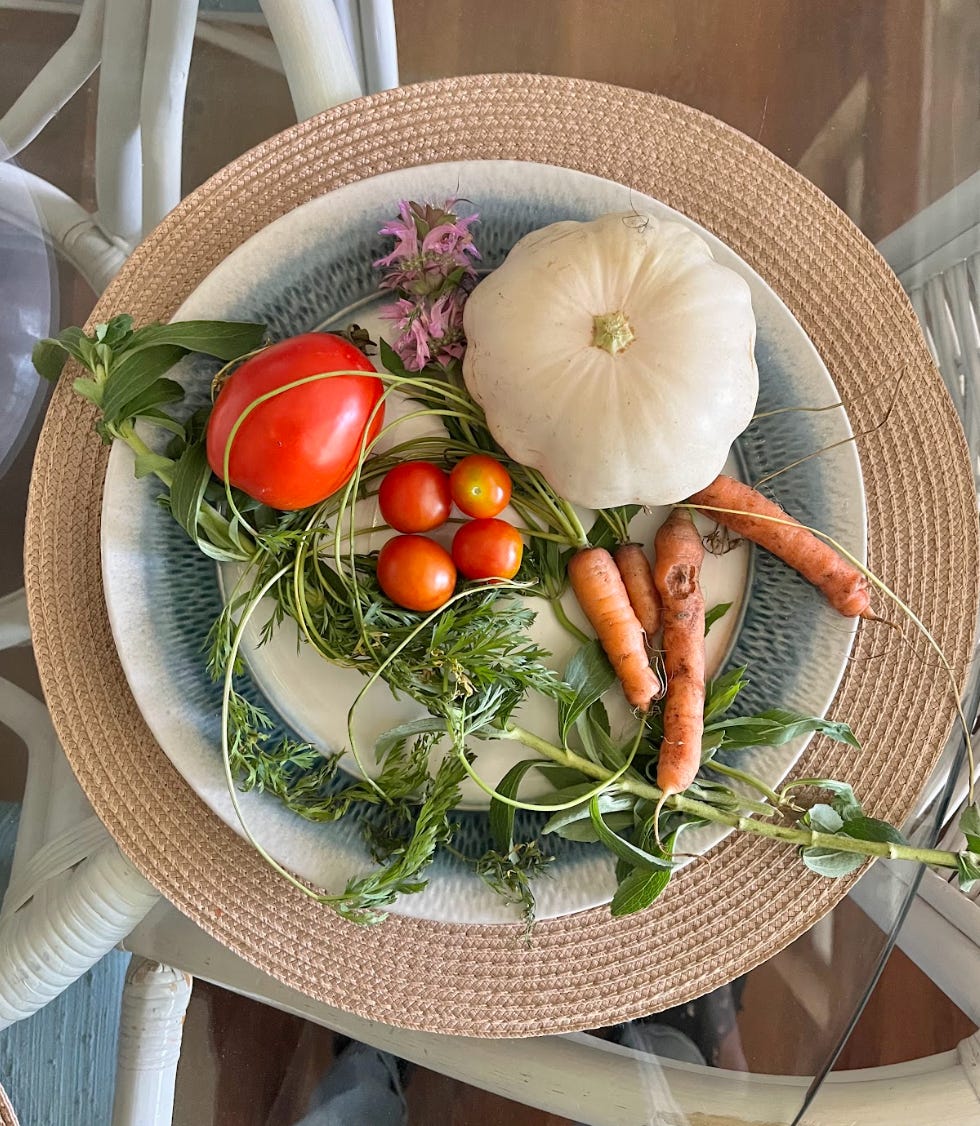
The western world promotes overconsumption. Capitalism encourages us to stay greedy, restless and dissatisfied. We are often detached from the source of what we consume and become too comfortable in an endless supply of it. On many occasions, we might not have access to information about where our food comes from which can open room for deception and an array of health issues.
Food is a valuable form of community building and connection, but our diets tend to create divide between people because there’s so much confusion about what we should be eating that’s best for our bodies. There’s a calculated science to food that has been distorted in favor of predatory corporations and capitalist greed. In these times, we can look to nature and history for the answers.
The following principles are helpful tools for conscious consumption.
☆ Cultural Preservation
Support Black indigenous farmers and business owners who grow fresh produce, own restaurants and manage food stores. These are the people on the frontlines in the fight for food justice, preserving our culinary heritage and directly giving us what we need.
Research local food providers in your area, connect with them and learn about their work. Incorporate more seasonal and regional foods into your diet. It’s recommended to eat lighter, cleansing food during the warm seasons spring and summer and heavier, filling food during the cold seasons autumn and winter. Everyone’s body is unique to the geographic region of our ancestral land. The foods that are common in the place where we come from are most aligned with our physiology.
☆ Herbs
Food is the original medicine. Herbal remedies are useless without a healthy, balanced diet. When we take herbs to treat an illness without eating clean, that medicine goes toward the removal of excess toxins and waste which can slow down the healing process. Drinking ginger tea while eating chicken nuggets only causes confusion to our bodily systems.
The ultimate goal is to consume as much fresh alkaline foods as possible and remove processed foods that contain harmful chemicals. This allows the medicinal properties of herbs to be more easily assimilated in our bloodstream and have a greater effect.
☆ Meat
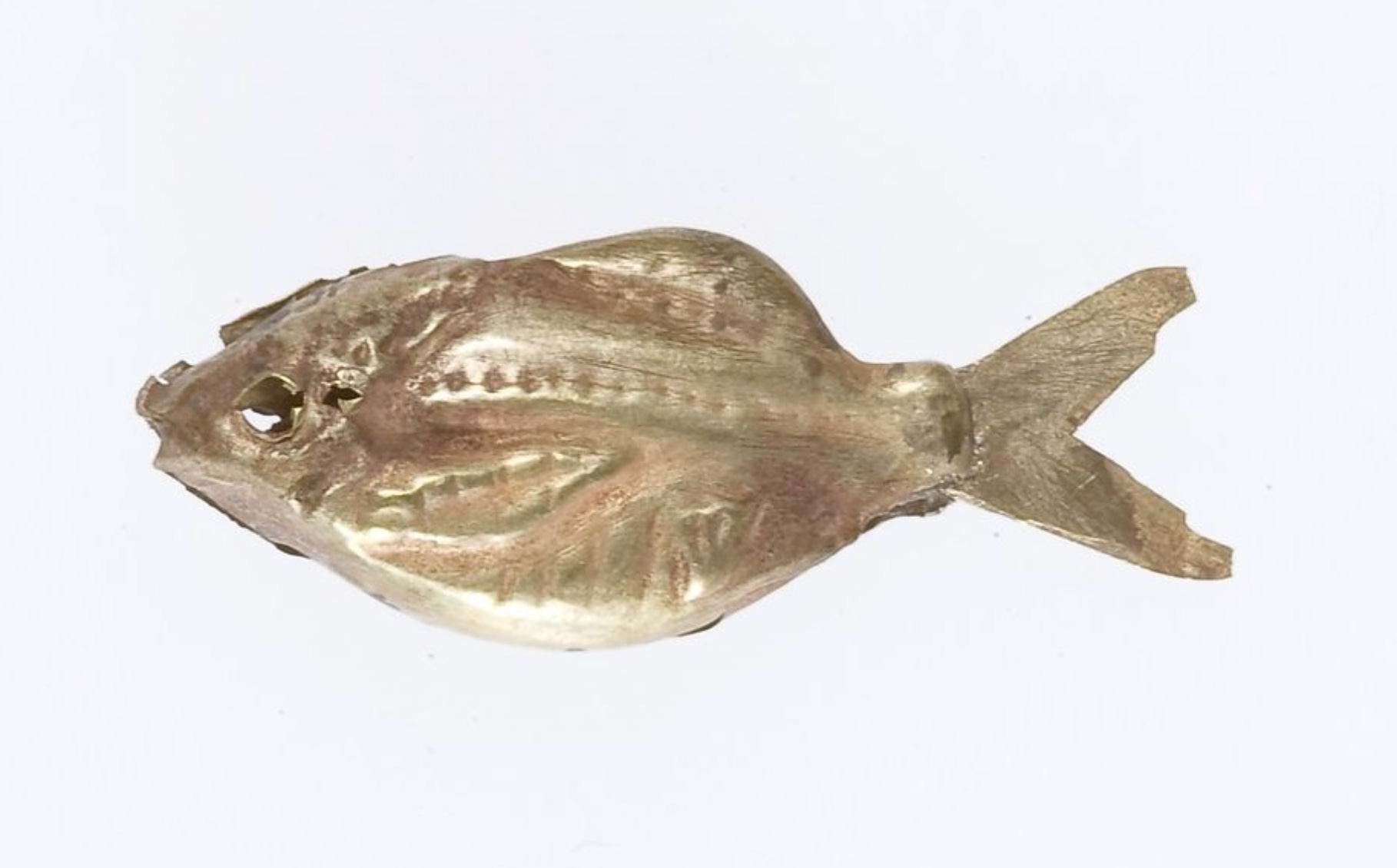
Plant-based diets have grown in popularity due to their connection to the tropical lifestyle of native cultures and their capacity for healing chronic disease. This is beneficial and highly needed in our modern world. However, eating meat is not foreign to Black indigenous cultures. Prior to colonization, we used to eat fish, birds, cows and other animals.
Farm raised, free range and wild caught animals are the healthiest to eat. As agrarian people who cultivate land, we raised our own animals, had genuine love and care for them, and we kept the environment clean. There wasn’t chemical pollution in the air, water and soil. Animals were not abused, imprisoned, forced to produce stress hormones or poisoned with toxic feed.
☆ Dairy
Milk and cheese are not healthy for anyone. Cows are designed to produce milk for the nurturing and sustenance of their offspring. This means that the chemical makeup of cow milk is unique to this species of animals for their physical strength and growth. Humans have our own breastmilk — we don’t need to drink milk from other animals. It causes inflammation and mucus buildup in our bodies that leads to chronic disease. Cheese is filled with pus and salt, contributing to water retention, constipation and bloating. Plant-based milk such as almond, oat, cashew, walnut and soy are better options.

☆ Starch
Consuming too many starches like bread and baked goods is one of the primary causes of health issues. These foods are high in carbohydrates that raise our blood sugar levels, slow down our digestion, and contribute to constipation and the buildup of toxins in the body if not properly balanced with alkaline food.
Much of the baked goods that are currently available in mainstream markets contain strange chemicals that we cannot digest. However, it should be noted that medicinal breads were made in Ancient Egypt that were highly advanced forms of food using science and geometry. Staple crops like corn have traditionally been processed into tortillas in Mesoamerica since ancient times, which were also considered to be nutritive healing foods.
☆ Finding Joy
The key to finding joy in food is to approach it as an art form. Be creative with your dishes. Explore different colors and tastes. Design your meals like paintings. Treat yourself like a special guest at a five star restaurant even if you’re just making a sandwich. Listen to how your body is speaking. Take your time to eat, don’t rush. Savor every bite. Love who you are and honor the fact that you deserve to consume with happiness.
✽ Open call for collaborators
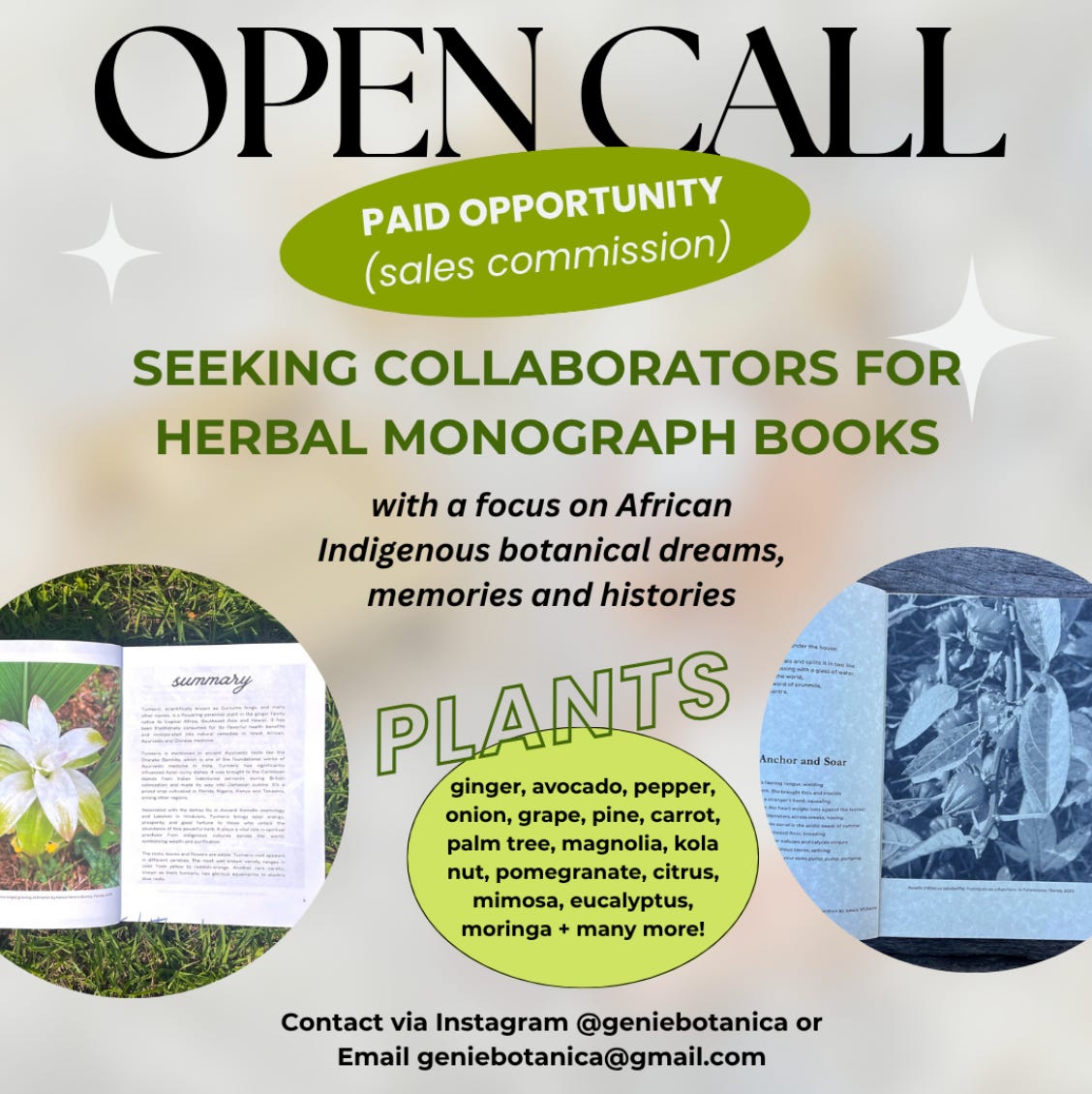
Would you like to explore the ancestral history of medicinal food and plants while expanding your knowledge of their health benefits and receive compensation? I’m welcoming collaborators into this work.
Herbal monograph books symbolize a journey of remembrance as we reclaim our land-based roots and traditional wisdom. Available for sale, all books provide contributors with profit from sales commission. This ongoing project is one of the ways we are striving to build collective systems of care through the redistribution of wealth and information.
If you’re interested in being involved, you can respond to this email or contact geniebotanica@gmail.com.
✽ The chat is alive and well
Activate your wellness journey and tune in!
In the chat for this newsletter, I’ve started a weekly series of fun facts about plants that are shared every Friday. My intention for these special features about medicinal herbs and plant-based food is to bring more insight, creativity and inspiration into your walk with nature.
These fun facts are curated with care from my experience as an herbalist and farmer to ignite a greater sense of curiosity and connection to your cultural heritage, local environment and community. This information is beneficial for our health, essential for survival and helpful for decolonization work as the world moves into a new era of sustainability and self-sufficiency.
You will receive notifications from the chat via email and you can access the messages directly on the Substack platform. You’re invited to engage and share your thoughts as you feel called.
Ancient wisdom lives within you,
Alexis Akua