
Augusta Savage
eternal song, eternal body

Happy Ancestral Art Wednesday!
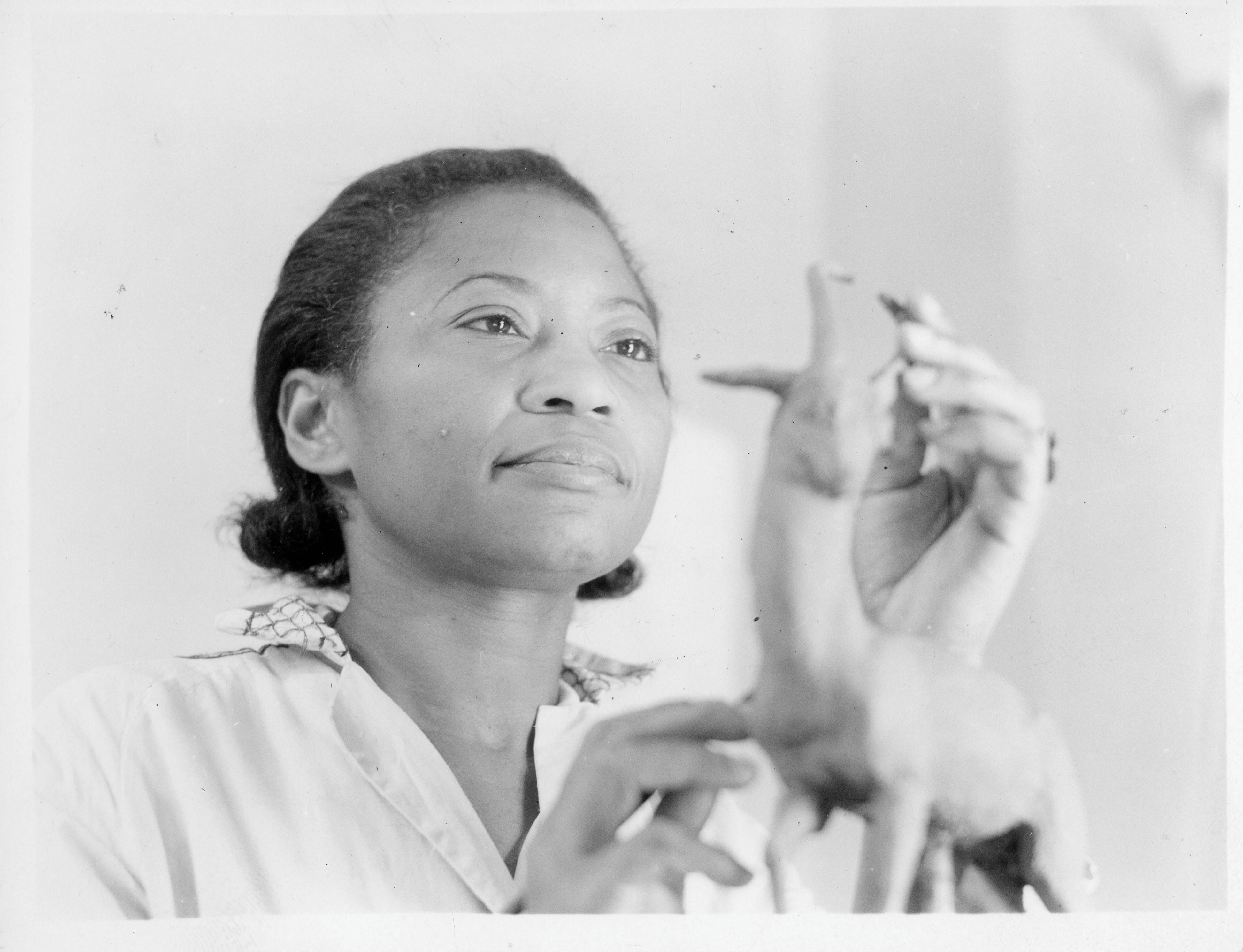
This essay is part of a series featuring a Black woman artist and the significance of her work. Today’s feature is about Augusta Savage.
“From the time I can first recall the rain falling on the red clay in Florida, I wanted to make things. When my brothers and sisters were making mud pies, I would be making ducks and chickens with the mud.”
—Augusta Savage
Born in Green Cove Springs, Florida in 1892, Augusta Savage was a sculptor and educator who began working with native red clay soil. From a young age, she was intuitively guided by the wisdom of the land. The animistic consciousness in the natural world inspired her to mold the ground into the shape of creatures.
Augusta had an abusive father who beat her and didn’t approve of her passion for art. However, she persevered through this trauma and still pursued her gifts. She was a young mother who birthed her first child as a teenager and married her second husband in her early twenties. She experienced many changes in her life during these transformative years, including the death of two of her three husbands.
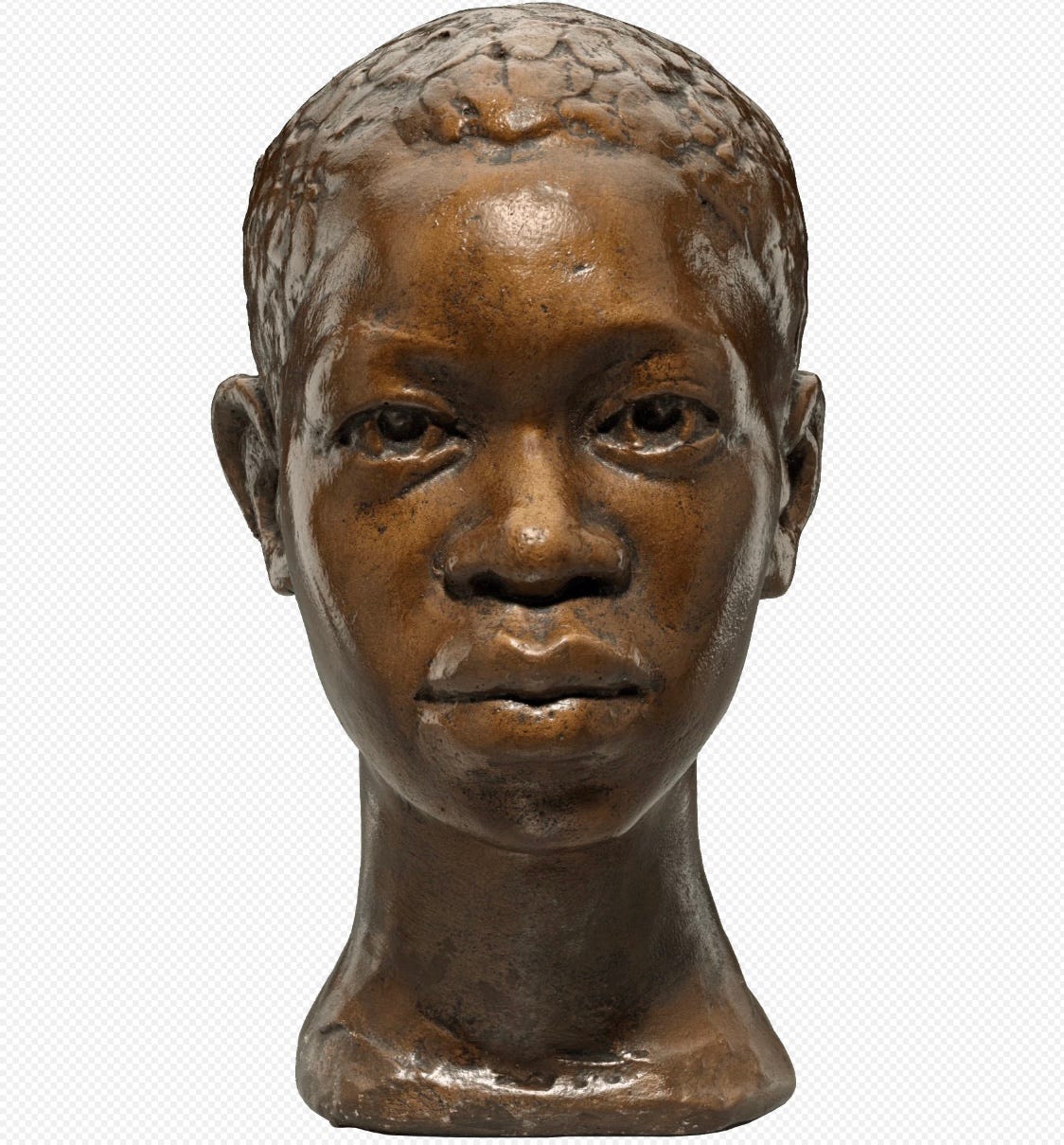
After gaining her first recognition as an artist, she moved to my hometown Jacksonville, Florida with the goal to create custom sculptures for prominent Black residents. Her presence had a positive impact on the art community. I remember viewing her work on display at the Cummer Museum of Art and Gardens in 2019, inspired to witness a Black woman artist who valued the South.
She attended Cooper Union School of Art after moving to New York City with practically no money and worked a part-time job to support her family. She excelled in her studies. Her teachers were impressed by her talent and waived classes so she could finish school early.
Her career was significantly influenced by the Harlem Renaissance. In the 1930s, she worked as a sculptor, art teacher and community art program director. During this time, she lived and worked in a studio apartment and sculpted portraits of well known figures such as W.E.B. Du Bois and Marcus Garvey. In 1932, she founded the Savage Studio of Arts and Crafts.
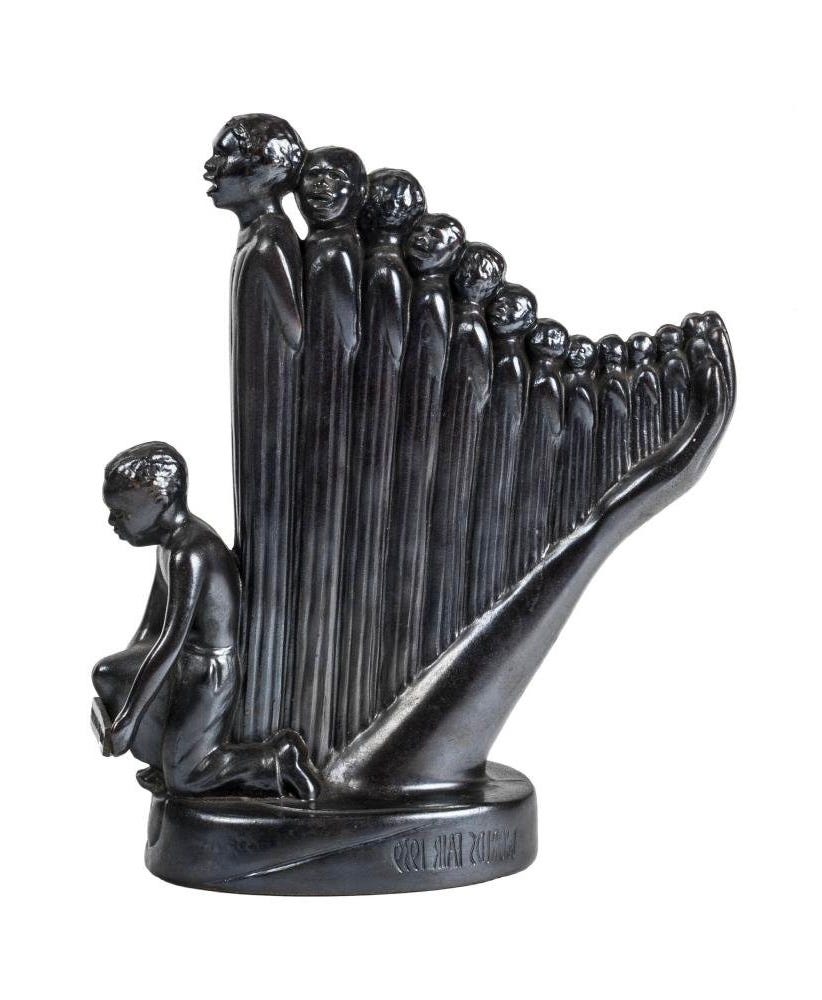
She was appointed as the first director of the Harlem Community Art Center and took a leave of absence for nearly two years to complete her most famous sculpture titled, The Harp, inspired by the lyrics of James Weldon Johnson’s poem Lift Every Voice and Sing.
This iconic piece is a celebration of Black history that depicts figures standing in a line and rising exponentially from the palm of God’s hand. Infused with symbolism, it shows depth of field from the increasing size of the figures. It radiates with the joy, pain, love, devotion and enduring resilience of African Americans throughout time.
When she returned to her job in Harlem after finishing this commission, she discovered her position was taken. She then pivoted in her career, opened two art centers for Black artists, reconnected with her daughter, taught children in summer camps, sculpted portraits for tourists and wrote children’s stories.
“If I can inspire these youngsters to develop the talent I know they possess, then my monument will be in their work.”
—Augusta Savage
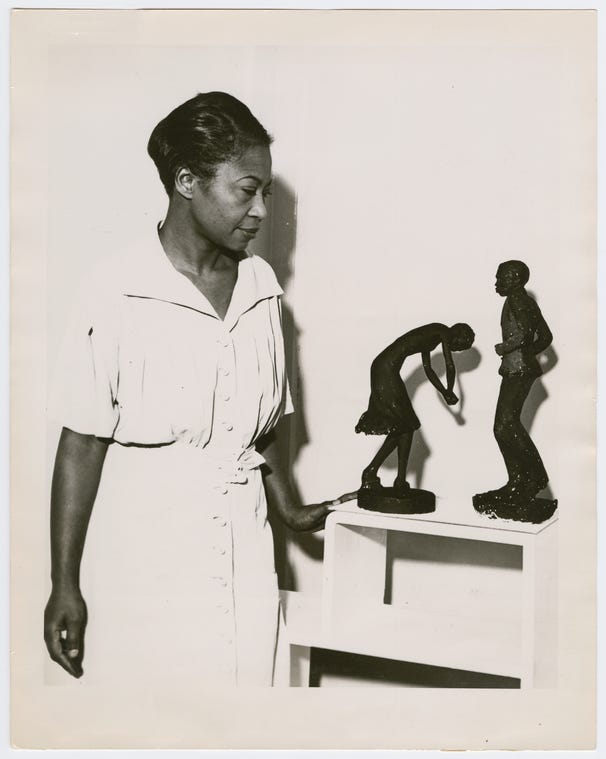
In the 1940s, Augusta retired from art and moved to a farm in upstate New York. She passed away and became an ancestor at 70 years old while living with her daughter and battling cancer. Her life story and creative work serve as a testament to the sacrifice of Black women who forge a path of success in a capitalist, racist and misogynistic world. The spirit of the Earth remained strong in her visual language. Ancestral voices rang loud with honor and pride. Through her hands, she allowed souls to continue living after death with her powerful representation of the human figure.
Read more about ancestral artists:
Ancient wisdom lives within you,
Alexis Akua